Wednesday, 30 September 2009

Hokusai - Mt. Fuji Off Kanagawa (The Wave)


Hokusai (1760-1849) created "Mt. Fuji Off Kanagawa" (popularly known in the West as "The Wave") as part of his subscription series, "Thirty-Six Views of Mt. Fuji," completed between 1826 and 1833. This is one of the best-known Japanese woodblock prints, and with others of this period inspired the entire French Impressionist school. James Abbott McNeill Whistler (1834-1903, of "Whistler's Mother" fame) was strongly influenced by the strong lines and bright colors of Japanese prints.

http://art-in-japan.blogspot.com/2008/06/mount-fuji-ukiyo-e.html

modern chinese design - Leslie chen


A more modern design by leslie chen, i like the intricy of the pattern that works as a whole, the black line through it gives it a strong composition.

Japanese Tattoos


A proper japanese traditional tattoo can take upto 5 years of weekly visits to complete. The striking design is complex yet powerful. This style could be twisted for a modern take to be mixed up in the poster designs.

Wenda Gu


Wenda Gu

http://www.wendagu.com

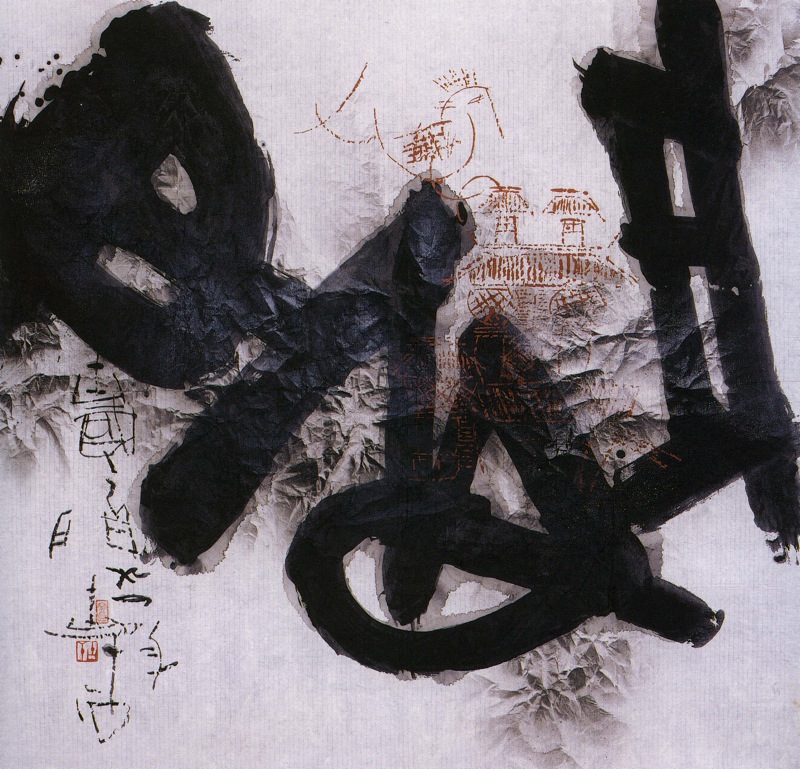
I really like this guys take on working with calligraphy, making something new for a modern world.

Modern Chinese Calligraphy


http://www.slideshare.net/kim_munson/modern-chinese-calligraphy

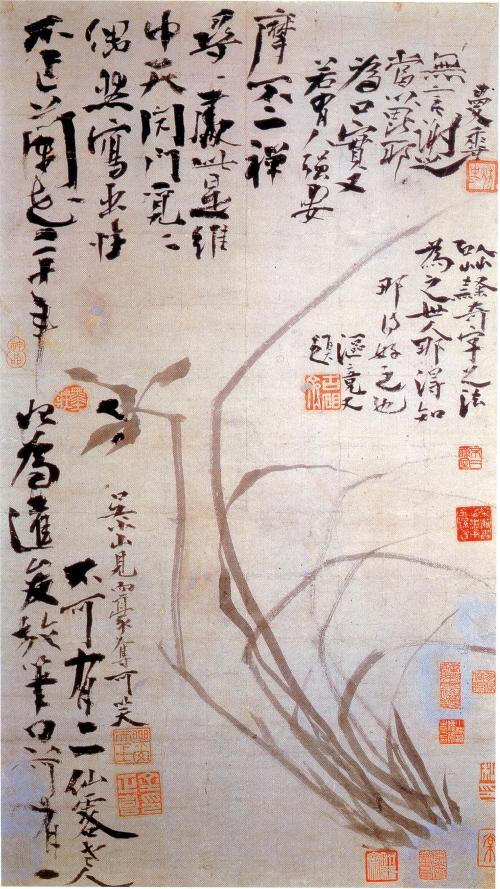
Above is a slideshow about some modern chinese calligraphy, something that has inspired me to do this project.
The images are works by Gu Gan, one of the first people to start using colour in calligraphy. I love the interplay of the black and the white shapes as well as the texturing thats modern compared to traditional techiques.

Ink and Wash Paintings


Ink and wash paintings come from an extension of calligraphy. Using ink and water on paper, they have a definite east asian feel to them, they reflect well the mystical nature of the culture.

http://en.wikipedia.org/wiki/Ink_and_wash_painting

East Asian Calligraphy


I love the paintbrush style of traditional chinese calligraphy, it has a whole art form to it that has been developed over thousands of years. It has a lot of tradition about it. - For instance the tools used are the four treasures of study - brush, paper, ink and inkstone, with a seal to sign. To practice calligraphy well takes years of practice and copying other exemplary texts.

http://en.wikipedia.org/wiki/East_Asian_calligraphy